
Introduction
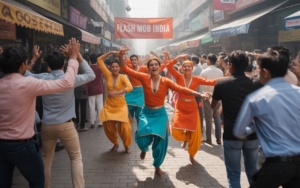
Imagine you’re walking through a busy shopping mall, scrolling on your phone or talking with friends, when suddenly, music starts playing loudly. A few people nearby begin dancing in perfect sync. At first, you think it’s just random fun—but then more people join in. Before you know it, the entire place is filled with dancers moving together like they’ve practiced for weeks. The crowd claps, cheers, and records videos. And then, as quickly as it started, the performance ends, the dancers disappear into the crowd, and life goes back to normal.
That’s a flash mob—a surprise event that brings joy, excitement, and sometimes even a powerful message.
In India, flash mobs have become a creative way to celebrate festivals, spread social awareness, promote brands, or simply entertain. But what many people don’t know is how much event management goes into pulling off such a spontaneous-looking performance. Behind every “surprise” flash mob is weeks of careful planning, coordination, and teamwork.
In this blog, let’s dive deep into flash mobs in India—their history, how they’re planned, why they are popular, and how event managers make them successful.
What is a Flash Mob?
A flash mob is a group of people who suddenly gather in a public place to perform a dance, act, or activity and then disperse quickly. The purpose can be entertainment, awareness, celebration, or even marketing.
Flash mobs look natural and unplanned, but in reality, they’re carefully rehearsed and executed. That’s where event management skills come into play.
Flash Mobs in India – A Growing Trend
Flash mobs in India started gaining popularity around 2011. One of the most famous ones happened in Mumbai at CST Railway Station, where more than 200 people danced to Bollywood songs. The video went viral and inspired similar performances across the country.
Since then, flash mobs have been seen in:
Shopping malls during festive sales.
College campuses for cultural fests.
Airports and railway stations for special occasions.
Corporate offices for product launches or employee engagement.
Public spaces during Independence Day, Republic Day, or campaigns like Swachh Bharat.
Flash mobs became especially popular in India because we love music, dance, and celebrations. For many, it’s the perfect way to grab attention and bring people together.
Why Do People Organize Flash Mobs?
Flash mobs are not just about fun. They serve multiple purposes:
Entertainment – To surprise and engage people in public spaces.
Marketing – Brands use flash mobs to promote products in a creative way.
Social Awareness – For causes like women’s safety, cleanliness, or blood donation.
Festive Celebrations – To add color during Diwali, Holi, Christmas, or Valentine’s Day.
Corporate Events – Companies plan them for team-building or launches.
For example, in many cities, NGOs have used flash mobs to highlight issues like road safety or gender equality. The mix of dance and message makes people remember it for a long time.
The Secret Behind Flash Mob Planning
A flash mob looks sudden, but it’s actually the result of solid event management. Here’s how event planners make it happen step by step:
1. Idea and Purpose
Every flash mob starts with a purpose. Is it to promote a product? Celebrate a festival? Raise awareness? Or just pure fun? Event managers first decide the theme.
2. Permission & Location
Choosing the right place is very important. Flash mobs often happen in malls, stations, or streets—but they need official permission from authorities. Without this, the event can be stopped midway. Event managers handle all approvals.
3. Music & Choreography
Music is the heart of a flash mob. Event managers work with choreographers to design a dance routine that is energetic, easy to follow, and suitable for the crowd. Popular Bollywood songs are often used because they instantly connect with people.
4. Recruiting Performers
Most flash mobs involve 20–200 dancers. Event managers either hire professional dancers or invite college students, volunteers, or employees (for corporate mobs). The key is to have performers who are disciplined and energetic.
5. Rehearsals
Even though flash mobs look spontaneous, every move is practiced many times. Event managers book rehearsal spaces, schedule practice sessions, and ensure timing is perfect.
6. Costumes & Props
Some flash mobs have dancers in everyday clothes to blend in with the crowd. Others use coordinated outfits, props, banners, or placards depending on the theme. Event managers arrange all these.
7. Sound & Technical Setup
The biggest challenge is sound. In open spaces, music should be loud but clear. Event planners arrange portable speakers or hidden sound systems that can be set up quickly without attracting attention before the mob begins.
8. Crowd Management & Safety
Crowds get excited and may rush forward to join or record. Event managers place team members in the audience to control the flow and ensure no one gets hurt. Safety is always a priority.
9. The Surprise Element
The most exciting part of a flash mob is the element of surprise. Event managers coordinate so that dancers are spread out in the crowd and join one by one, creating shock and excitement.
10. Exit Strategy
After the performance, the dancers must quickly mix back into the crowd to maintain the magic. Event planners ensure this happens smoothly.
Event Management in Flash Mobs – Why It’s Crucial
Without proper planning, a flash mob can fail. Imagine music not working, dancers forgetting steps, or the police stopping the event midway. That’s why event management plays a big role:
Coordination – Managing performers, rehearsals, music, and timing.
Legal Permissions – Getting approval from malls, authorities, or police.
Logistics – Sound, costumes, props, and space arrangements.
Safety – Handling large crowds in public spaces.
Promotion – Recording the mob and sharing it online to reach millions.
Good event management turns a simple dance into a memorable experience.
Famous Flash Mobs in India
Here are a few well-known flash mobs that show how powerful they can be:
Mumbai CST Flash Mob (2011) – More than 200 dancers performed Bollywood hits. It went viral and became India’s first big flash mob.
Delhi Metro Flash Mob – Organized for Swachh Bharat Abhiyan.
Pune College Flash Mob – Students danced to promote voting awareness during elections.
Chennai Malls – Many festive sales launch with flash mobs.
Corporate Flash Mobs – Companies like Infosys and TCS have used flash mobs for product launches and employee engagement.
These events showed how flash mobs can bring people together, spread messages, and create unforgettable memories.
Flash Mobs & Social Media
One big reason flash mobs are successful today is social media. Videos of flash mobs quickly go viral on Instagram, YouTube, and Facebook. Event planners often hire professional videographers to capture the mob from different angles and make it look even more exciting online.
This means a flash mob is not just for the live audience—it can reach millions of people digitally. That’s why brands love them as marketing tools.
Challenges in Organizing Flash Mobs
Even though they look fun, flash mobs come with challenges:
Getting permission for public spaces.
Managing large numbers of performers.
Handling unexpected crowds.
Ensuring technical equipment works smoothly.
Keeping the surprise a secret until the last second.
Event managers must be quick thinkers and problem-solvers to overcome these hurdles.
Why Flash Mobs Are Special in India
In a country like India, where music and dance are part of daily life, flash mobs feel natural. They turn ordinary places into stages and strangers into audiences. Unlike big concerts or shows, flash mobs are free, inclusive, and accessible to everyone.
For event managers, flash mobs are a great way to show creativity, manage crowds, and deliver memorable experiences.
Conclusion
Flash mobs may look like random fun, but behind them lies the magic of event management. From choosing the right music to managing rehearsals, getting permissions, and handling crowds, every detail matters.
In India, flash mobs have become more than just entertainment—they are a way to celebrate festivals, promote brands, spread awareness, and bring people together. And every time you see one, remember: it may last just a few minutes, but the planning behind it takes weeks of hard work.
At the end of the day, flash mobs prove one thing: events don’t always need a big stage to create big memories. Sometimes, the street outside your home can be the biggest stage of all.
Subscribe to our newsletter!
More from our blog
See all posts

Recent Posts
- Makar Sankranti: A Perfect Festival for Events January 9, 2026
- Every Event Has a Silent Star October 7, 2025
- Surprise Celebrity Visits In India : How Stars Bring Joy and Excitement. September 10, 2025